

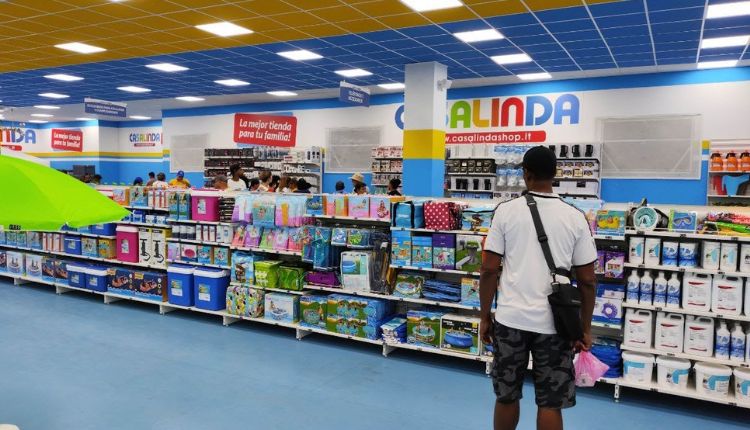
From government-operated stores to small neighbourhood markets, these shops provide a variety of goods, including food items, clothing, household essentials, and imported products. Understanding how tiendas cubanas operate helps visitors and readers gain insight into Cuba’s economic structure and consumer behaviour.
This article explores the evolution, types, products, and significance of Cuban stores in detail. It also highlights shopping experiences, pricing systems, challenges, and modern changes in the retail sector. Whether you are planning to visit Cuba or simply want to understand its marketplace, this comprehensive guide to Cubanas will give you valuable insights into how people shop, what they buy, and how the system continues to evolve in today’s changing economy.
Introduction to Tiendas Cubanas
Tiendas cubanas are retail stores in Cuba that serve as essential points for purchasing daily necessities, groceries, and imported goods. These stores have existed for decades and reflect the country’s unique economic system. Unlike many countries where private retail dominates, Cuba’s stores are often state-controlled, making the shopping experience different from typical supermarkets worldwide.
These stores play a vital role in distributing products to the population, especially since many goods are centrally managed. In urban areas like Havana, Cubanas can range from small neighbourhood shops to larger supermarkets with limited imported goods.
A key feature of these stores is rationing through the government distribution system, where essential items are often sold in limited quantities. This makes shopping a structured and sometimes challenging experience.
Despite limitations, Cubans remain the backbone of everyday commerce in Cuba. They reflect not only economic conditions but also cultural habits, showing how Cubans adapt to availability, pricing, and supply variations.
Types of Tiendas Cubanas
Tiendas cubanas come in several forms, each serving a specific purpose in the retail system. The most common types include retail stores, dollar stores, local markets, and mixed retail outlets.
Ration stores, known locally as “bodegas”, distribute basic food items such as rice, sugar, and oil. These are heavily regulated and ensure every citizen receives essential supplies. Dollar stores, on the other hand, sell imported goods and operate in foreign currency or digital payment systems.
Local markets offer fresh produce such as vegetables, fruits, and meats. These are more flexible and sometimes privately managed. Mixed retail outlets combine different categories of goods under one roof, offering both domestic and imported products.
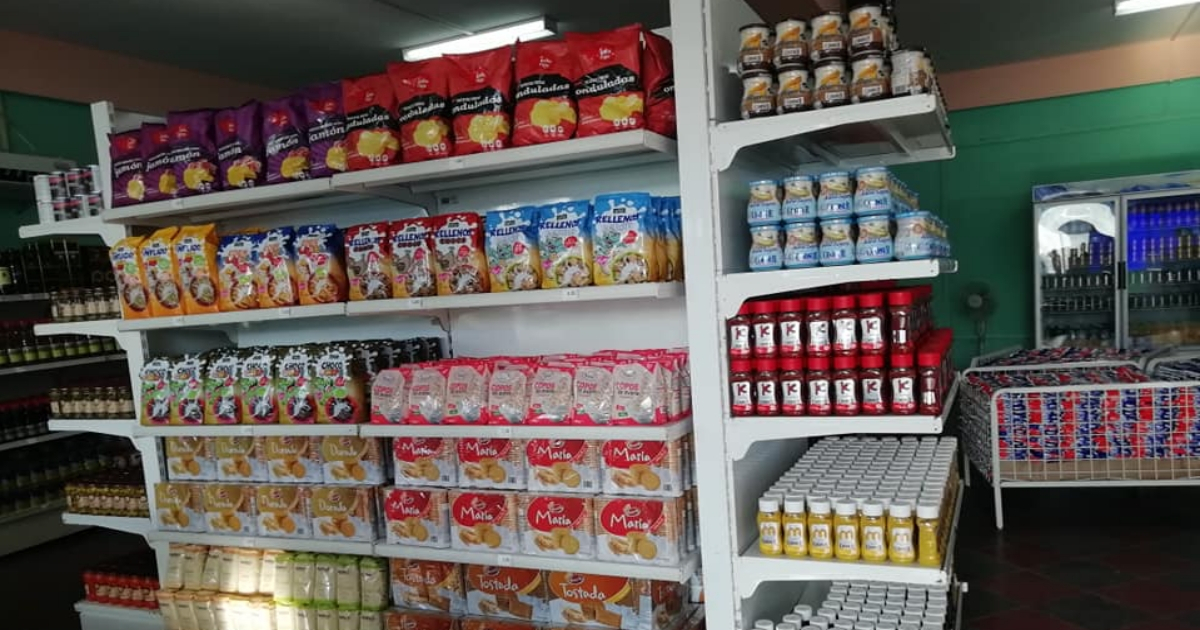
Each type of tienda cubana plays a distinct role in maintaining supply chains. While ration stores focus on fairness, dollar stores cater to those with access to foreign currency. Together, they create a layered retail system that balances necessity and availability in Cuban society.
Products Available in Cubanas
The product range the information tiendas cubanas depends on the type of store, but generally includes essential food items, household goods, and limited imported products.
Staple foods such as rice, beans, sugar, and cooking oil are widely available in ration stores. Fresh produce like vegetables and fruits can be found in local markets, although availability may vary by season. Meat and dairy products are often limited and distributed in controlled quantities.
Household goods include cleaning products, toiletries, and basic kitchen items. In dollar stores, customers may find imported snacks, beverages, cosmetics, and electronics, although prices are significantly higher.
Some stores also offer clothing, school supplies, and medicines, though availability is inconsistent.
Key product categories include:
- Staple foods (rice, beans, sugar)
- Fresh vegetables and fruits
- Household cleaning products
- Personal care items
- Imported goods (limited availability)
Overall, product availability in cubanas reflects supply challenges and economic priorities, making shopping a planned activity rather than spontaneous consumption.
Pricing System and Currency Use
Pricing in tiendas cubanas is influenced by the country’s dual currency and controlled economic system. Some stores operate using Cuban pesos (CUP), while others accept foreign currency or digital cards.
Essential goods in ration stores are heavily subsidised, making them affordable for most citizens. However, quantities are limited. In contrast, dollar stores sell imported goods at higher prices, targeting those with access to foreign income or remittances.
The dual pricing system creates a noticeable difference in purchasing power. While basic needs are covered through subsidies, luxury or imported items remain expensive for many residents.
Prices are often fixed by the government, meaning there is little flexibility or bargaining. This ensures stability but also limits market competition.
Understanding pricing in cubanas is essential to grasping how Cuban consumers manage their budgets and prioritise essential over non-essential goods in daily life.
Shopping Experience in Cubanas
Shopping in tiendas cubanas is a structured and sometimes time-consuming experience. Customers often queue in lines, especially when popular goods become available.
Unlike modern supermarkets, these stores may have limited stock, requiring shoppers to visit multiple locations. Communication with store staff is common, as availability changes frequently.
Many people rely on ration books or identification systems to purchase essential goods. This ensures fair distribution but also limits flexibility.
Despite challenges, shopping is a social experience in Cuba. People often interact while waiting in line, sharing information about product availability and supply updates.
Common features of the shopping experience:
- Long queues during supply days
- Limited product selection
- Ration-based purchasing system
- Strong community interaction
Overall, the shopping experience in cubanas reflects both economic constraints and social resilience, shaping how people plan and manage their daily needs.
Economic Role of Tiendas Cubanas
Tiendas cubanas play a critical role in Cuba’s national economy by ensuring the distribution of essential goods and controlling supply chains.
Since the government manages most retail operations, these stores help regulate inflation and stabilise prices. They also ensure that necessities are available to all citizens regardless of income level.
In addition, dollar stores contribute to foreign currency collection, which supports imports and national economic stability.
These stores also provide employment opportunities in retail management, logistics, and distribution networks.
However, the centralised system also faces challenges such as a lack of supply and limited product variety.
Economic contributions include the following:
- Controlled distribution of basic goods
- Price stabilization
- Creation of foreign currency
- Job creation
Tiendas remain a key pillar in maintaining economic balance in a system that prioritises equality and resource management over market competition.
Challenges Faced by Cubanas
Despite their importance, tiendas cubanas face several challenges related to supply, infrastructure and economic constraints.
One of the main problems is the lack of products, especially for imported goods. Since Cuba is heavily dependent on imports, disruptions to the global supply chain directly affect the availability of business.
Infrastructure constraints also affect storage and distribution efficiency, leading to occasional delays in product delivery.
Another problem is currency imbalance, where access to foreign currency creates inequality in purchasing power.
In addition, limited technological progress affects inventory management and retail modernisation.
The main challenges include:
- Lack of supply
- Dependence on imports
- Currency inequality
- Infrastructure constraints
These challenges highlight the complexity of maintaining a centralized retail system in a globalised economy.
Modern Changes and Future of Tiendas Cubanas
In recent years, tiendas cubanas have undergone gradual modernisation, including the introduction of digital payments and improved delivery systems.
Some stores now accept electronic cards and mobile payment systems, reducing reliance on cash transactions. There is also a growing interest in improving the efficiency of logistics and distribution.
Private small businesses are slowly emerging to add variety to the retail landscape. This introduces competition and widens product availability.
The future of tiendas may involve greater integration of technology, better supply chains, and gradual economic reforms.
Future developments may include:
- Expansion of digital payment systems
- Improved import logistics
- Growth of the private retail sector
- Extended product availability
These changes indicate a transition to a more flexible and diversified retail system while maintaining a core government-controlled distribution system.
Conclusion
Tiendas cubanas are more than just retail stores; they are a reflection of the Cuban economic structure, cultural customs and social priorities. From ration stores to dollar stores, each type plays a unique role in providing access to essential goods.
Despite issues such as scarcity and limited variety, these stores continue to support everyday life across the country. As modernization slowly progresses, Cubanas evolve to match the new economic reality while maintaining their main function of serving the population.
FAQs
- What are cubanas?
Tiendas are retail stores in Cuba that sell food, household items, and basic goods under a state-controlled system.
- What products are sold in these stores?
They offer staple foods, fresh produce, cleaning products and limited imported goods depending on the type of store.
- Why are there different types of cubanas?
There are different types to manage ration distribution, foreign currency sales and local market needs.
- Do cubanas use multiple currencies?
Yes, some use the Cuban peso, while others accept foreign currency or digital payment systems.
- What challenges do these stores face?
Common problems include supply shortages, import dependence and infrastructure constraints.
