

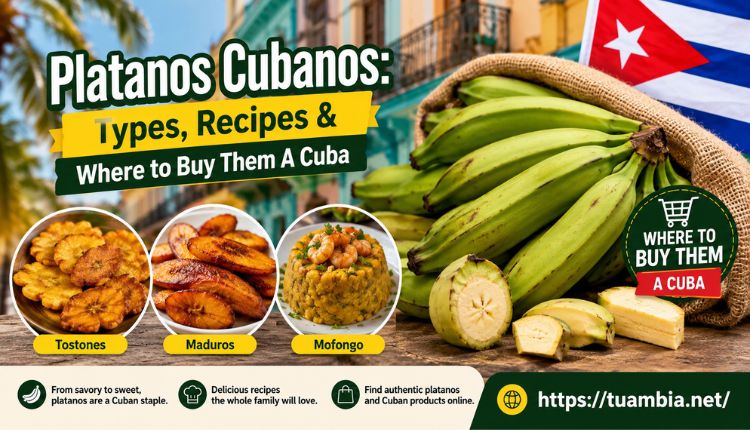
Walk into any Cuban kitchen, and you’ll find a bunch of plantains sitting on the counter, somewhere between green and black. That’s not an accident. Platanos cubanos aren’t a side dish in Cuba; they’re closer to a food group of their own, and the color of the peel tells you exactly what’s about to happen to it: fried, boiled, mashed, or stuffed.
If you’ve only ever had a plantain chip from a bag, this guide will change how you think about them. We’ll cover the different stages of ripeness, the dishes each one is meant for, how to pick and store plantains at home, and how families abroad keep plantains and other Cuban staples on the table for relatives back on the island.
What Exactly Are Platanos Cubanos?
Plantains look like oversized, thicker-skinned bananas, but they’re a different fruit with a different job in the kitchen. Bananas are eaten raw and sweet. Plantains are starchy, low in sugar when green, and almost always cooked before eating. In Cuba, plátano isn’t one ingredient; it’s a category, with different varieties and ripeness stages producing completely different results in the pan.
Plantains grow well in Cuba’s climate and have been part of the island’s diet since colonial times, brought over from West Africa and blended into Spanish and Taíno cooking traditions. That mix is why Cuban plantain dishes taste the way they do: fried in oil, seasoned with garlic and citrus, and served alongside rice, beans, and pork.
The Three Stages of Ripeness (and Why They Matter)
A Cuban cook doesn’t ask “do you have plantains?” They ask, “How ripe are they?” The peel color is basically a recipe instruction.
Verde (green): Hard, starchy, and not sweet at all. This is the stage for tostones, plantain chips, and fufu. You have to fry green plantains twice to get them right.
Pintón (turning): Yellow with some black spots, firmer than a ripe plantain but Platanos Cubanos starting to sweeten. Good for a middle-ground fry that’s neither crisp nor jammy.
Maduro (ripe): Mostly black peel, soft flesh, noticeably sweet. This is the stage for maduros fritos, the caramelized fried slices that turn up on nearly every Cuban plate.
Getting the ripeness wrong throws off the whole dish. A tostón made from a maduro plantain falls apart in the fryer. A maduro dish made with a green plantain just tastes like starch with nowhere to go.
Classic Cuban Plantain Dishes
Tostones (Chatinos)
Slice green plantains into thick rounds, fry them once, smash them flat, Platanos Cubanos then fry again until the edges crisp up. Salt them while they’re hot. Tostones are meant to be crunchy on the outside and soft in the middle, and they show up next to almost every main course in Cuban cooking.
Maduros Fritos
Ripe plantains sliced on the diagonal and pan-fried in a bit of oil until the natural sugars caramelize. No breading, no double fry, just heat and patience. The result is soft, sweet, and slightly sticky at the edges.
Mariquitas
Thin, almost paper-like slices of green plantain, Platanos Cubanos fried until they curl and crisp like chips. Cubans eat these as a snack or serve them with a garlic-citrus mojo for dipping.
Fufu de Plátano
Boiled green plantains mashed with garlic, pork cracklings, and broth into a dense, savory side. It’s heartier than tostones and closer to a mashed potato in texture, but with a completely different flavor. visit more.
Plátanos Rellenos
Ripe plantain “cups” or mashed plantain shells stuffed with seasoned ground beef, cheese, or picadillo, then fried or baked. This one takes more effort and usually shows up for a special occasion rather than a weeknight dinner.
How Cubans Buy and Cook Plantains at Home

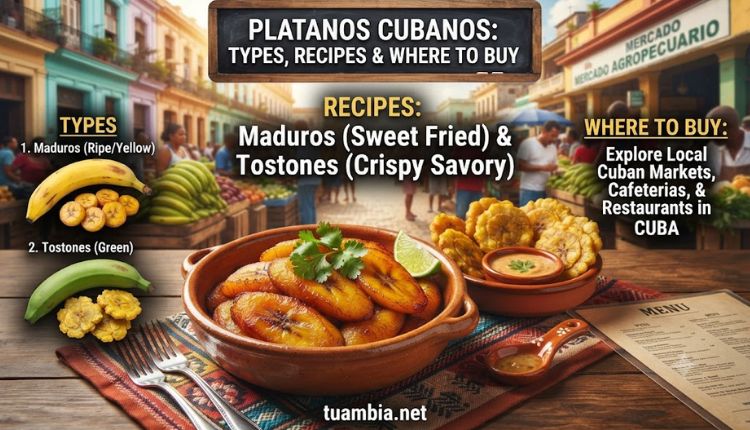
In Cuba, plantains are usually bought at local markets or state-run supermarkets rather than in a single national chain the way you might expect elsewhere. Availability shifts by region and season, which is part of why families keep an eye on what’s stocked nearby. If you’re curious what a typical Cuban grocery run looks like, it’s worth reading about spots like Supermarket 23 in Guantánamo, Villa Blanca Supermarket, or Mercado 23 en Cuba, all of which carry plantains alongside other everyday staples.
Once the plantains are home, storage matters almost as much as the recipe. Green plantains keep for a week or two at room temperature. Once they start turning yellow and black, use them within a few days, since ripe plantains don’t hold as long as green ones.
Nutritional Profile of Cuban Plantains
Plantains are mostly carbohydrate, which is exactly why they’re a staple rather than a garnish. A single cooked plantain provides a solid dose of potassium, vitamin C, vitamin A, and dietary fiber, along with more calories than a comparable serving of banana. Green plantains lean toward resistant starch, which digests more slowly than the sugars in a ripe plantain. Frying adds fat and calories, so a boiled or baked plantain is the lighter option if that matters to you, though it won’t taste quite the same as a tostón.
Sending Platanos Cubanos and Other Cuban Staples to Family
For Cuban families living abroad, keeping relatives supplied with everyday food, plantains included, is often part of staying connected. Grocery access on the island can be unpredictable, and a box of staples from family overseas makes a real difference in what ends up on the table.
Services built around this exact need let you order groceries online and have them delivered directly in Cuba, without relying on a relative to track down what’s in stock that week. If this is new to you, it helps to look at what a food delivery from Miami to Cuba actually involves, or browse a broader list of alimentos para Cuba to see what staples are typically available. Plantains are usually part of these grocery packages alongside rice, beans, oil, and other kitchen basics.
If you’re new to sending packages altogether, it’s worth reading up on how a envío a Cuba actually works from start to finish, and comparing a few páginas de envíos a Cuba before settling on one. For more background on how this kind of grocery delivery started and where it’s headed, there’s a longer look at Tuambia Alimentos and its origins.
Tips for Selecting and Ripening Plantains at Home
Buying plantains outside Cuba, in a US or European supermarket, Platanos Cubanos works a little differently since you’re usually choosing from whatever ripeness is on the shelf that day.
- Buying green plantains: look for firm, unblemished skin with no soft spots. They’ll keep the longest and give you the most control over ripening.
- Speeding up ripening: store plantains at room temperature, ideally near other ripening fruit like bananas or apples, which release ethylene gas.
- Slowing down ripening: once they hit the ripeness you want, Platanos Cubanos move them to the fridge. The peel will darken further, but the flesh stays put.
- Peeling ripe plantains: score the skin lengthwise with a knife first. Ripe plantain peel clings to the flesh far more than a green one does.
Frequently Asked Questions
Are plantains and bananas the same thing?
No. They’re related, but plantains are starchier, less sweet, and almost always cooked before eating, while bananas are typically eaten raw.
Can you eat a plantain raw?
Technically yes, once they’re very ripe, but the texture and flavor are much better cooked. Cuban cooking rarely serves plantains raw.
How long do plantains keep?
Green plantains last one to two weeks at room temperature. Once they ripen, plan to use them within three to five days.
What’s the difference between tostones and maduros?
Tostones are made from green plantains, fried twice, and served savory. Maduros come from ripe plantains, are fried once, and taste sweet.
Can I freeze plantains?
Yes. Peel and slice them first, then freeze in a single layer before transferring to a bag. This works well for both green and ripe plantains.
Final Thoughts
Platanos cubanos show up in so many forms because one fruit, at three different stages, can do the job of three different ingredients. Once you know which ripeness goes with which dish, cooking them stops being guesswork. And if you’ve got family in Cuba who could use a steady supply of plantains and other staples, sending groceries directly is often simpler than it sounds, and it’s one less thing for them to worry about finding at the market that week.
