

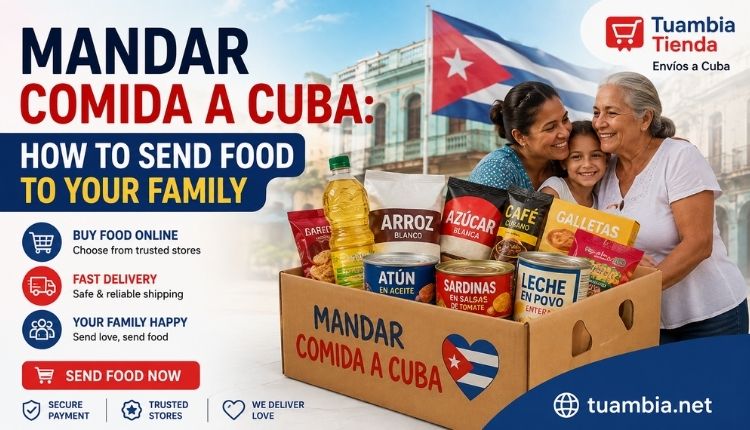
If you’ve spent any time searching “mandar comida a cuba,” you already know the feeling: you want your family to have rice, oil, and meat on the table this week, not vague promises about the next trip home. The good news is that sending food to Cuba from abroad has gotten a lot simpler over the past few years. You pick products from an online store, pay in your own currency, and someone shows up at your relative’s door in Havana, Camagüey, or wherever they live.
This guide walks through how the process actually works, what usually ends up in a food order, and the small details that separate a smooth delivery from a frustrating one.
Why People Choose to Mandar Comida a Cuba Instead of Sending Cash
Cash still moves, but food solves a problem money can’t always fix on the island: availability. Sending dollars doesn’t help much if the shelves near your mother’s house are empty that week. A food order, on the other hand, is sourced and delivered directly, so what you pay for is what shows up.
There’s also the matter of trust. Families who’ve tried both routes often say food combos feel more predictable. You know exactly what’s inside the box before it leaves the warehouse, instead of hoping the money gets converted and spent the way you intended.
None of this means cash transfers are pointless; they’re just a different tool. Most people abroad end up using both: a mix of remittances for flexibility and food orders for the essentials that are hardest to find locally.
How Sending Food to Cuba Actually Works
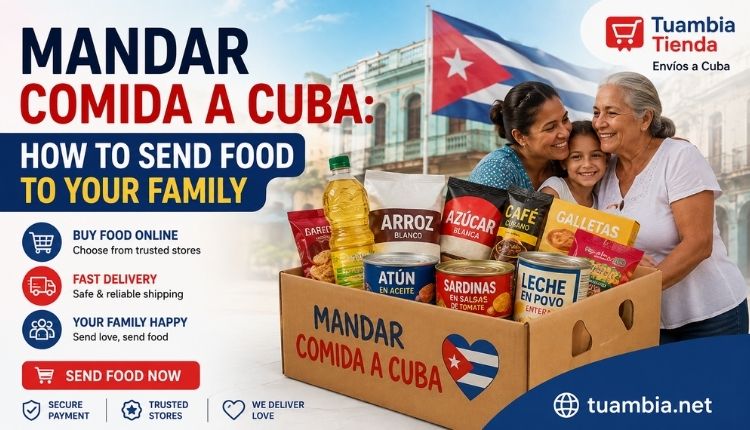
The mechanics are simpler than people expect the first time around.
- Pick a store: You’ll be shopping through an online marketplace built specifically for Cuba deliveries, not a general international shipping company. These sites list products already sourced and stored in Cuba (or shipped from Miami, Spain, or elsewhere), so nothing has to clear customs on your relative’s end.
- Choose a combo or build your own basket: Combos are pre-built boxes, think a “monthly essentials” pack with rice, oil, beans, and canned meat, priced as one item. Building your own basket takes more time but lets you tailor the order to what your family actually needs. Reading through options like combos de aseo para Cuba alongside food combos is a common way to cover both the pantry and the bathroom cabinet in one order.
- Enter the recipient’s details: Full name, ID number, phone, and address. Cuban delivery services rely on this to confirm identity at drop-off, so double-check it before submitting.
- Pay and wait for confirmation: Most stores take cards, PayPal, or apps like Zelle. You’ll usually get a confirmation email or text once the order is processed and again once it’s out for delivery.
- Delivery: A courier drops the order at the address you provided. Some services notify the recipient directly by phone so someone’s home to receive it.
If you’re shipping from South Florida specifically, the routes and shipping partners differ slightly from orders placed in Europe. It’s worth reading up on sending food to Cuba from Miami before you commit to a particular store, since Miami-based sellers often have shorter supply chains and faster turnaround.
What Actually Goes Into a Food Order
Combos vary by store, but the categories rarely change much:
- Grains and staples: rice, beans, pasta, flour
- Proteins: chicken, ground beef, canned meats, eggs
- Dairy: milk powder, cheese, butter
- Cooking basics: cooking oil, seasoning, sugar, coffee
- Snacks and extras: cookies, juice, chocolate for kids
- Household add-ons: detergent, soap, toilet paper, often bundled separately from the food combo
That last category matters more than people expect. Soap and cleaning supplies run short just as often as food does, which is why a lot of buyers pair a food combo with a hygiene package in the same checkout. It’s also worth checking how Cuban food culture shapes what people actually cook with these staples, since a combo built around rice, beans, and pork shoulder maps directly onto the dishes families are used to making. visit more.
Delivery Times and What Changes Them
Delivery speed depends on where in Cuba your family lives and how the store sources its products.
| Region | Typical delivery window |
| Havana | 24–72 hours |
| Other western/central provinces | 3–5 business days |
| Eastern provinces (Guantánamo, Holguín) | 5–10 business days |
A few things push these numbers around:
- Local sourcing vs. imported goods: Stores that keep inventory physically in Cuba deliver faster than ones shipping products in from Miami or Europe for each order.
- Payment verification: Orders paid by card sometimes sit for a day while the store confirms the transaction.
- Local supermarket partnerships: Some services route orders through partner stores on the island, similar to how Villa Blanca Supermarket or other local markets stock and fulfill combos directly, which can speed things up in cities where those partnerships exist.
- Weather and holidays: Deliveries slow down around major holidays when order volume spikes across every provider at once.
If timing matters, e.g., you’re trying to get something there before a birthday, message the store directly and ask for a realistic estimate rather than trusting the number on the checkout page, visit more.
Mistakes That Slow Everything Down
Wrong or incomplete address: Cuban addresses don’t always follow a standard format couriers expect. Include the municipality and any nearby landmark if the street numbering is unclear.
Assuming every store covers every province: Several services only deliver to western and central Cuba. If your family is in Guantánamo or another eastern province, confirm coverage before you pay, not after.
Skipping the recipient’s phone number: Couriers call ahead in most cases. No phone number often means a delayed or failed delivery attempt.
Comparing prices without comparing what’s inside: A cheaper combo with less rice or smaller cuts of meat isn’t actually cheaper per pound. It helps to line up a couple of options side by side, and browsing something like reliable pages for sending to Cuba is a decent starting point if you haven’t picked a store yet.
Combining Food With Other Essentials
Food rarely travels alone in these orders anymore. It’s common to add:
- Cleaning and hygiene combos
- Small appliances like a refrigerador for a Cuban household when a family’s current one has finally given out
- Larger electronics, which is where checking an electrodomésticos guide for Cuba helps before spending real money on something that has to survive island humidity and inconsistent power
Bundling categories together in one order can also save on delivery fees, since most services charge per shipment rather than per item.
FAQ
Is it legal to mandar comida a cuba from the United States?
Yes. Food and personal hygiene items fall under general licenses that allow this kind of humanitarian shipping, unlike some other categories of goods.
How much should a basic food order cost?
Prices shift with global food costs, but a mid-size combo covering a household for a couple of weeks typically runs somewhere between $40 and $90, depending on what’s included.
Can I schedule recurring monthly deliveries?
Many stores support this, and it tends to be cheaper per order than one-off purchases since you’re not paying full delivery fees each time.
What if the recipient isn’t home?
Most couriers call ahead. If nobody answers or nobody’s there, the store will usually reschedule, though policies vary, so it’s worth asking before you order.
The Bottom Line
Sending food is one of the more direct ways to actually help a family in Cuba week to week. It takes the guesswork out of remittances and puts something concrete on the table, literally. Start with a clear picture of what your family needs, confirm the store delivers to their province, and double-check the address and phone number before you hit pay. The rest is mostly waiting for the confirmation text.
