

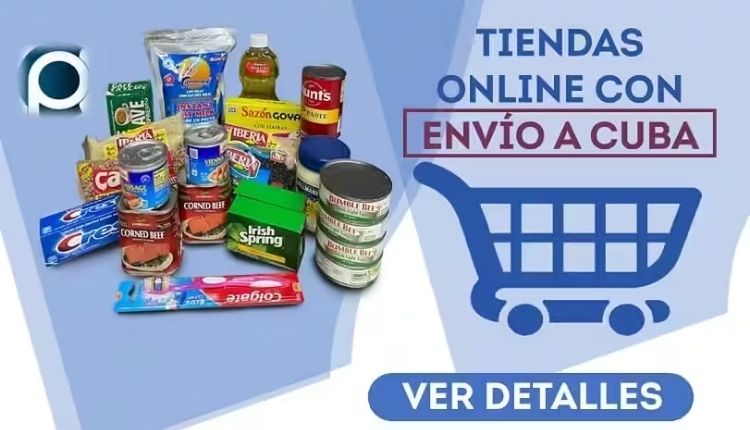
While Cuba’s internet infrastructure and payment systems differ from many other countries, online shopping platforms have become a must-have for both residents and expatriates who want to support family members on the island. Virtual stores allow consumers to shop for food, household items, electronics, clothing and services without being physically present.
This growing digital market is reshaping the way Cubans access products, especially in a context where shortages, long lines and limited availability are common. As internet access expands and mobile connectivity improves, tiendas virtuales en Cuba are becoming an important bridge between demand and supply.
The evolution of online shopping in Cuba
The development of tiendas virtuales en Cuba was gradual rather than sudden. Limited internet access and strict regulations have hindered the growth of e-commerce for many years. However, as mobile data services expanded and more Cubans gained access to smartphones, the foundations were laid for online commerce.
Initially, most virtual stores were Tiendas Virtuales En Cubadesigned to serve Cubans living abroad. These platforms allowed international customers to pay in foreign currency while the goods were delivered locally in Cuba. Over time, local platforms began to emerge that offered digital catalogues and delivery services within the country.
How Tiendas Virtuales en Cuba works
Tiendas virtuales en Cuba operate differently than traditional online stores in other countries. Most platforms work through websites, mobile apps, or even social media messaging services. Customers browse the digital catalogue, select products and complete payments using available methods.
Delivery is usually provided by local distribution networks and delivery times vary depending on location and product availability. Some stores focus on big cities like Havana, while others cover multiple provinces.
Payment methods used by Tiendas en Cuba
One of the most striking aspects of tiendas virtuales en Cuba is their payment system. Due to banking restrictions and international sanctions, standard global payment gateways are often unavailable. As a result, platforms rely on alternative solutions.
Many virtual stores accept international debit or credit cards issued outside of Cuba. Others use prepaid cards, local e-wallets or foreign payment processors. Some platforms also allow payments through money transfer systems, allowing family members abroad to pay on behalf of relatives in Cuba.
Popular product categories in Tiendas Virtuales in Cuba
The range of products available in tiendas virtuales en Cuba has expanded significantly. Originally focused on basic needs, these platforms now offer a wider range of goods.
Food and groceries, especially staple foods, remain the most popular category. Household products such as cleaning products and hygiene items are also in high demand. Electronics, appliances, clothing and footwear are increasingly common offerings. Some virtual stores also provide services, including mobile phone recharge, service payments and gift packages.
Benefits of using Tiendas Virtuales in Cuba
The rise of tiendas virtuales en Cuba has brought several benefits to consumers. One of the most important benefits is convenience. Online shopping reduces the need to wait in long lines or travel long distances to find essential products.
Another significant advantage is availability. People living abroad can support their families by purchasing goods online and having them delivered directly. This strengthened family ties and provided a reliable way to meet daily needs.
Tiendas en Cuba also helps reduce product shortages by improving distribution efficiency and offering alternative sources.
Challenges facing Tiendas Virtuales in Cuba
Despite their growth, tiendas virtuales en Cuba face significant challenges. Internet connectivity remains inconsistent in some regions, limiting access for many potential users. Logistics and supply chain issues can cause product delays or shortages.
Payment restrictions are also a problem. Not all Cubans have access to electronic payment methods, and international transactions can be complicated. Additionally, regulatory frameworks continue to evolve, requiring platforms to quickly adapt to policy changes.
The role of social media in Cuban virtual stores
Social media plays a key role in the success of tiendas virtuales in Cuba. Many businesses use platforms like Facebook, WhatsApp and Telegram to display products, take orders and communicate with customers.
This approach allows sellers to bypass some of the technical hurdles involved in building complex e-commerce websites. Customers can browse photos, ask questions directly and place orders through messaging apps, making shopping more accessible and intimate.
Tiendas Virtuales in Cuba and the Cuban Diaspora
The Cuban diaspora was instrumental in the expansion of tiendas virtuales in Cuba. Many platforms are specifically designed to serve customers living abroad who want to send goods to relatives on the island.
These virtual stores provide a practical alternative to traditional money transfers by converting financial support into tangible goods. This model ensures that aid directly meets the needs of families in Cuba and reduces uncertainty about cash transfers.
Government regulations and e-commerce in Cuba
Government policy plays a significant role in shaping the landscape of tiendas virtuales in Cuba. Regulations regarding imports, pricing and online business operations affect the operation of virtual stores.
In recent years, authorities have shown a growing interest in regulating and supporting digital commerce. Although challenges remain, the clarity of the legislation has encouraged more entrepreneurs to explore online business models.
Logistics and delivery systems in Cuba
Delivery logistics are a critical part of tiendas virtuales en Cuba. Due to traffic restrictions and fuel shortages, efficient delivery systems are essential to maintain customer satisfaction.
Some virtual stores work with local couriers, while others manage their own delivery networks. Delivery times vary by location, with urban areas generally receiving faster service than rural areas.
Security and trust in Tiendas Virtuales in Cuba
Building trust is essential to the success of any online marketplace. Tiendas virtuales en Cuba have worked to ensure credibility through transparent pricing, clear communication and reliable delivery.
Customer reviews and word-of-mouth recommendations play a vital role in building trust. Many consumers rely on feedback from friends or family before using a new virtual store.
The Future of Tiendas Virtuales in Cuba
The future of tiendas virtuales in Cuba appears promising. As internet access continues to expand and digital literacy improves, more Cubans are expected to embrace online shopping.
Technological advancements, such as improved mobile connectivity and digital payment solutions, will further support growth. Increased competition among virtual stores may lead to better service, wider product selection, and more affordable prices.
Opportunities for Entrepreneurs in the Cuban Virtual Market
Virtual shops in Cuba present significant opportunities for entrepreneurs. Niche markets, specialised products, and innovative delivery solutions can help new businesses stand out.
Entrepreneurs who understand local needs and constraints are well-positioned to succeed. Partnerships with international suppliers and local distributors can also enhance product availability and quality.
SEO Importancia de tiendas en Cuba
From a digital marketing Tiendas Virtuales En Cuba perspective, the keyword “tiendas virtuales en Cuba” has strong SEO potential. As interest in online shopping grows, search demand for information and services related to virtual stores continues to rise.
Well-optimised content, clear product descriptions, and user-friendly platforms can improve search visibility and attract more customers. For businesses targeting international audiences, multilingual content can further expand reach.
Impact of Tiendas en Cuba on Daily Life
Tiendas virtuales en Cuba have had a noticeable impact on daily life. They have improved access to essential goods, reduced time spent searching for products, and provided a sense of stability for many households.
For families separated by distance, virtual stores offer a meaningful way to provide support. This emotional and practical connection highlights the broader social importance of digital commerce in Cuba.
Comparison Between Physical Stores and Virtual Stores in Cuba
Physical stores remain an important part of Cuban commerce, but tiendas virtuales en Cuba offer unique advantages. Virtual stores provide convenience, wider product selection, and the ability to shop remotely.
However, physical stores still offer immediate access and allow customers to inspect products directly. The coexistence of both models suggests a hybrid future where online and offline shopping complement each other.
Consumer Tips for Using Tiendas en Cuba
Consumers using tiendas virtuales en Cuba should verify store reputation, review product details carefully, and confirm delivery coverage. Understanding payment options and delivery timelines can help avoid misunderstandings.
Staying informed through reviews and recommendations can improve the overall shopping experience and ensure reliable service.
Wrapping It Up
Tiendas virtuales in Cuba represent a significant step forward in the country’s commercial evolution. Despite infrastructure limitations and regulatory challenges, virtual stores have become an essential resource for accessing goods and supporting families.
Their growth reflects changing consumer behavior, increased digital connectivity, and the resilience of Cuban entrepreneurs. As technology and policies continue to evolve, tiendas en Cuba are likely to play an even greater role in shaping the future of commerce on the island.
Frequently Asked Questions (FAQs)
What are tiendas in Cuba?
Tiendas en Cuba are online stores that allow customers to purchase products digitally and have them delivered within Cuba.
Who can use tiendas virtuales in Cuba?
Both residents of Cuba and people living abroad can use these platforms, depending on the payment methods supported.
What products are commonly sold in tiendas virtuales in Cuba?
Common products include groceries, household items, electronics, clothing, and various services.
How do payments work for tiendas virtuales in Cuba?
Payments are typically made using international cards, prepaid systems, or remittance-linked payment methods.
Are tiendas virtuales in Cuba reliable?
Many virtual stores are reliable, especially those with positive customer reviews and established delivery networks.
