

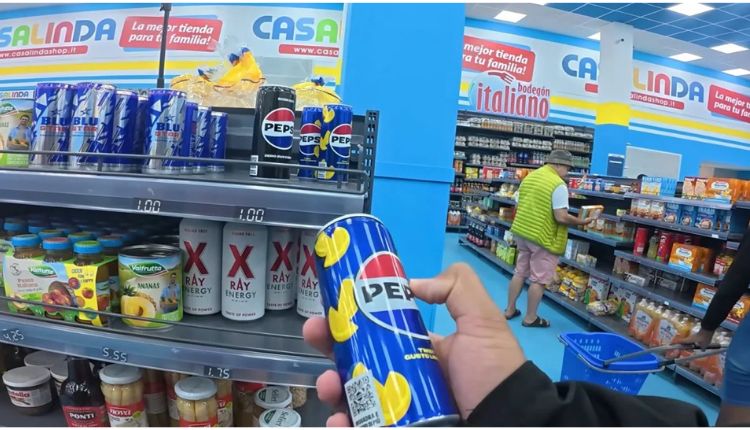
Shopping in Cuba is very different from in many other countries due to the economic system, import restrictions and government-controlled retail chains. Most stores are state-run, and product availability can change from week to week. Nevertheless, tiendas play a vital role in daily life in Cuba, providing access to food, clothing, electronics and household goods.
Over the past few years, Cuba has also introduced digital payment systems and new formats of commerce, including foreign currency-based commerce and online shopping platforms. These changes have changed the way people approach goods, making “tiendas Cuba” an even more important subject for understanding everyday living conditions and consumer options. From ration shops to modern shopping malls, Cuban retail reflects both tradition and gradual modernisation.
This article explores the entire landscape of tiendas in Cuba, including store types, payment methods, product availability, and future trends. If you’re planning to visit Cuba, support relatives or simply want to understand how shopping on the island works, this guide will give you a clear and detailed overview.
What does “Tiendas Cuba” mean
The phrase “tiendas Cuba” simply means “shops in Cuba”, but in practice, it refers to a wide network of government-run retail stores that supply both essential and non-essential goods throughout the country. These shops are not only places to buy goods but also key parts of the country’s social and economic system.
Unlike private retail systems in many countries, most Cuban stores operate under national companies that control prices, inventory and supply chains. This system ensures the distribution of essential goods in all provinces but also leads to shortages when imports are delayed or production is low.
Shops in Cuba are divided by purpose and type Tiendas Cuba of payment. Some sell subsidised food, others sell imported goods at higher prices, and some specialise in electronics or clothing. So the meaning of the word “Cuba” encompasses many different experiences, from queuing for basic groceries to shopping in modern malls that accept digital payments.
These deals are important because they affect how families plan their monthly budgets, how tourists prepare for trips and how foreign relatives send support. Access to certain stores can greatly improve quality of life, especially when essential goods are scarce.
Common reasons people search for Cuba includes:
- Search for store locations in specific cities
- Checking what products are usually available
- Find out which payment methods are accepted
- Understanding the differences between trade types
In Cuba, shopping isn’t just about choice; it’s also about access. Knowing where and how to shop can make your everyday life a lot easier.
Types of Tiendas in Cuba
There are several types of tiendas in Cuba, each serving a different purpose and customer group. Understanding these categories helps explain why prices and products vary so much from store to store.
One of the most Tiendas Cuba well-known types is the ration warehouse, where citizens receive basic foodstuffs through the government distribution system. These stores sell goods at very low prices, but the quantity is limited and not enough for the whole month.
Another major category includes general retail stores that sell everyday items such as soap, cooking oil, canned goods and cleaning products. These stores often accept Cuban pesos or foreign currency cards, depending on the location and government policy at the time.
There are also specialized stores, e.g.
- Electronics and appliance stores
- Clothing and footwear stores
- Furniture and homeware stores
- Tourist-orientated souvenir shops
In recent years, Cuba has also expanded foreign currency stores, where customers must pay with cards linked to international or special domestic accounts. These stores usually have better-stocked shelves and more imported products.
The way these tiendas operate is highly centralised. Products are distributed through national supply chains and store managers have limited control over what they receive. This explains why one store may have cooking oil while another nearby has none.
For visitors and locals alike, knowing the type of store can save time and money. It also helps set realistic expectations for product variety and availability.
What products are normally available in Tiendas Cuba
Product availability in tiendas Cuba can vary widely, but certain categories are consistently important to everyday life. Food, hygiene products and household items are usually the most requested.
In grocery stores, customers can find:
- Rice, beans, pasta and flour
- Cooking oil and sugar
- Canned meat and vegetables
- Powdered milk and coffee
Non-food items are also essential and often in high demand. These include soap, toothpaste, shampoo, detergent, and basic kitchen tools. When these products arrive, they may sell out quickly.
In foreign currency shops, shoppers are more likely to find:
- Imported snacks and drinks
- Small kitchen appliances
- Personal electronics such as phones and fans
- Brand hygiene and cosmetic products
Even in these stores, however, stocks often change. Offer subject to import, shipping plans and national purchase agreements. This means that shoppers often buy items when they’re available, even if they don’t need them right away.
Because of the limited supply, many families plan their purchases around delivery days or information shared by neighbours. Social media plays a big role in letting people know where to find certain items.
Therefore, Tiendas Cuba are not just commercial spaces but community information centres where people exchange news about the availability of products.
Payment methods used in Tiendas across Cuba
Payment systems in tiendas Cuba have changed significantly in recent years. While cash used to be the main method, digital payments and card systems are now more common, especially in urban areas.
Many stores now accept:
- Cuban pesos in cash
- National Debit Cards
- Mobile payment application
- Cards linked to a foreign currency
Foreign currency shops usually do not accept cash. Instead, customers must use cards linked to approved bank accounts. This system is designed to capture foreign earnings and support imports, but it also restricts access for people without these accounts.
Mobile payment platforms are becoming increasingly popular, allowing shoppers to pay by scanning QR codes or using phone transfers. This reduces the need to carry large amounts of cash and speeds up checkout lines.
However, payment acceptance varies by store and location. Some rural areas may still rely heavily on cash, while urban stores may support digital payments.
Online Shopping and Delivery Services in Cuba
Online shopping has become an important part of the tiendas Cuba ecosystem, especially for people living abroad who want to support family members on the island. Several platforms allow customers to order food, hygiene products, and appliances for delivery within Cuba.
These services usually work by:
- Ordering from outside the country
- Paying online using international cards
- Selecting a delivery address in Cuba
Products are then Tiendas Cuba delivered Tiendas Cuba directly to homes or local pickup points. This system helps families bypass some local shortages and provides access to goods that may not be available in nearby stores.
Online tiendas often offer:
- Food packages and bundles
- Personal care kits
- Household appliances
- Gift packages for special occasions
While delivery times can vary, these services have become a reliable option for many families. They also reduce the need for long lines and repeated store visits.
However, online shopping is not a complete replacement for local tiendas. Most daily purchases still happen in physical stores, especially for fresh items and urgent needs.
The growth of online tiendas shows how Cuban retail is slowly integrating digital tools to improve access and convenience.
Challenges Faced by Tiendas in Cuba
Tiendas Cuba Tiendas Cuba operates under challenging conditions that affect both store staff and shoppers. Supply shortages, import delays, and limited production all contribute to inconsistent inventory levels.
One of the biggest challenges is logistics. Many products must be imported, and shipping disruptions can delay deliveries for weeks or months. When products finally arrive, demand is often much higher than supply.
Other challenges include:
- Limited refrigeration and storage capacity
- Transportation delays between provinces
- Power outages affecting store operations
- Staffing shortages in some areas
These issues mean that even well-managed stores cannot always meet customer needs. Long lines and early-morning queues are common when popular items arrive.
Store employees also face pressure from customers who are frustrated by shortages, even though the staff have no control over supply levels.
Despite these difficulties, tiendas remain essential community institutions. They adapt by adjusting opening hours, managing ration systems, and coordinating with local authorities.
Understanding these challenges helps explain why shopping in Cuba feels very different from shopping in countries with private retail competition.
Tips for Shopping Smart in Cuba
Shopping effectively in tiendas Cuba often requires planning, flexibility, and local knowledge. Whether you are a resident or a visitor, certain strategies can make the experience smoother.
Helpful tips include:
- Visiting stores early in the morning
- Asking locals about recent deliveries
- Carrying multiple payment options
- Buying essentials when they are available
It is also useful to know which stores specialise in certain products. Some locations may consistently receive food supplies, while others are better for household items or electronics.
For tourists, bringing basic hygiene products and snacks can reduce dependence on local stores. For families, sharing information with neighbours helps everyone locate needed items faster.
Online ordering can also be a good backup plan when local supplies are low. Many families combine local shopping with occasional delivery orders to meet their needs.
Shopping in Cuba is not only about finding products but also about navigating systems and staying informed. With patience and preparation, tiendas can still meet many everyday needs.
The Future of Cuba Modernisation
The future of tiendas Cuba is closely linked to economic reforms, digitalisation, and international trade relationships. While the retail system remains largely state-controlled, gradual changes are shaping how stores operate.
Modernisation efforts include:
- Expanding digital payment systems
- Improving supply chain tracking
- Increasing online shopping options
- Introducing new store formats
There is also growing discussion Tiendas Cuba about expanding small private retail businesses, which could complement existing tiendas and improve product variety.
Technology will likely play a larger role, helping stores manage inventory more efficiently and communicate product availability to customers. This could reduce uncertainty and improve shopping experiences.
However, long-term improvements depend on broader economic factors, including production capacity and trade access. Until those issues improve, tiendas will continue to balance between meeting demand and managing limited supply.
Still, the gradual integration of digital services suggests that shopping in Cuba will continue evolving, offering more convenience and flexibility over time.
Conclusion
Tiendas Cuba are far more than simple retail shops; they are essential parts of daily life and economic structure on the island. From ration stores to foreign-currency outlets and online delivery services, Cuban retail reflects both long-standing systems and slow modernisation. While challenges like shortages and logistical delays remain, tiendas continue to adapt through digital payments, new store formats, and international delivery platforms.
Understanding how these stores work helps residents manage household needs and helps visitors prepare for realistic shopping conditions. As technology and economic policies evolve, tiendas in Cuba will likely become more efficient and accessible, offering better support to communities across the country.
FAQs About Tiendas Cuba
What does “tiendas Cuba” refer to?
It refers to all types of stores in Cuba, including food shops, retail outlets, and foreign-currency-based stores that sell everyday and imported goods.
Do Cuban stores accept cash and cards?
Yes, many accept Cuban peso cash, debit cards, and mobile payments. Some stores only accept special cards linked to approved accounts.
Are products always available in tiendas in Cuba?
No, availability changes frequently due to supply and import issues. Popular items may sell out quickly.
Can people order goods online for delivery in Cuba?
Yes, several platforms allow online orders paid from abroad with delivery inside Cuba.
Are tiendas in Cuba privately owned?
Most are state-operated, though small private businesses are slowly increasing in some areas.
