

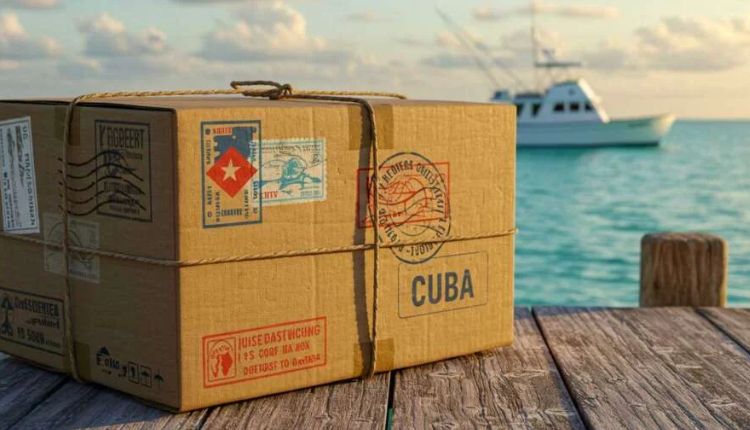
Due to the ongoing economic problems, limited availability of food products and inflation in Cuba, sending food packages from overseas has gone from a thoughtful gesture to a vital necessity. Cuban families rely heavily on these shipments to maintain a stable diet and access to basic nutrition.
Demand for international food shipments to Cuba has grown significantly over the past few years. Cuban communities in the United States, Spain, Canada and Latin America are actively seeking reliable ways to send food safely, legally and quickly. Understanding how envios a Cuba de comida works, what foods are allowed, shipping options, costs and delivery times is essential for anyone planning to send food packages.
This comprehensive guide Envios A Cuba De Comida explains everything you need to know about envios and Cuba de comida, from legal requirements to best practices to ensure your shipment reaches your family without a hitch.
Why Envios a Cuba de Comida is so important
Food shortages in Cuba are not new, but recent global economic pressures have intensified the situation. Limited imports, transportation problems, and currency constraints have made it difficult for local markets to maintain steady supplies. Many families face long queues and high prices for basic goods.
Envios a Cuba de comida provides direct relief by allowing relatives abroad to send basic food items. These shipments often include non-perishable goods, protein sources and special diet products that are difficult to find locally. For elderly family members, children and people with disabilities, these packages can significantly improve the quality of life.
In addition to physical nourishment, food shipments also have emotional value. Receiving a package from family abroad strengthens emotional ties and reassures the recipient that they are not forgotten.
How Envios and Cuba de Comida work
The envios a Cuba de comida process is fairly straightforward but requires careful planning. Shippers can choose between specialised courier companies, online food delivery platforms, or forwarding services that focus exclusively on shipments to Cuba.
The shipper usually selects the food either through an online catalog or personally packs it. The shipment is then processed, documented and transported to Cuba, where it undergoes customs control before final delivery. Some services offer home delivery, while others require recipients to pick up packages from designated distribution centers.
Understanding the provider’s process is essential to avoid delays, additional charges or seizure of goods.
Legal regulations for sending food to Cuba
Envios and Cuba de comida must comply with both international shipping regulations and Cuban customs laws. Cuba allows food shipments for personal and humanitarian purposes, but there are restrictions on quantity, packaging and specific items.
Most permitted foods must be shelf-stable, factory-sealed, and properly labeled. Homemade food is generally prohibited. Items such as canned goods, rice, pasta, milk powder, beans and cooking oil are commonly accepted.
Failure to comply may result in delay or rejection at customs. Therefore, choosing a service provider familiar with Cuban regulations significantly reduces risk.
Types of food allowed in Envios and Cuba de Comida
The success of Envios a Cuba de comida largely depends on choosing the right food products. Cuban customs prioritise safety and hygiene, so packaged and storable foods are preferred.
Common foods include rice, flour, pasta, beans, lentils, canned meat, canned fish, powdered milk, infant formula, cooking oil, sugar, coffee, cookies, cereal, and nutritional supplements. Special diet foods, such as diabetic or gluten-free products, may also be allowed if they are properly labelled.
Fresh foods, refrigerated items, and home-cooked meals are generally restricted unless shipped via specialised freight services with proper authorisation.
Popular services for Envios and Cuba de Comida
Several international companies specialise in Envios a Cuba de comida and offer reliable logistics and compliance with Cuban regulations. These companies often operate online platforms where shippers can select pre-approved food packages.
Some services focus on speed, delivering packages within days, while others prioritise affordability. Many providers offer tracking systems, customer support in Spanish and English, and flexible payment options.
Choosing a reputable company with experience in Cuban shipments ensures a smoother customs clearance and reduces delivery risks.
Online food parcels vs personal deliveries
There are two basic ways for envios and Cuba de comida: buying prepackaged food boxes online or sending personally assembled packages.
Online food packages are convenient and comply with Cuban customs regulations. They often contain basic staples adapted to local needs. However, they can be more expensive and less customisable.
Personal shipments allow shippers to select specific brands or dietary items. While this offers flexibility, it requires careful attention to packaging rules, weight limits and documentation.
Both methods have advantages and the choice depends on budget, urgency and personal preference.
Costs associated with Envios and Cuba de Comida
The price of envios and cuba de comida varies depending on several factors, including package weight, shipping method, destination city, and service provider. Air shipping is faster but more expensive, while sea shipping is cheaper but slower.
Some providers offer flat-rate food packages, while others charge by weight or volume. Additional fees may apply for customs processing, home delivery or expedited shipping.
Comparing multiple services before shipping can help you find the best balance between price and reliability.
Delivery times and expectations
Delivery times for envios and cuba de comida can range from a few days to a few weeks. Airmail packages usually arrive faster, especially if sent via specialised courier services. Ocean shipments may take longer but are often more affordable for larger packages.
Customs clearance time may vary depending on package contents, accuracy of documentation, and seasonal demand. Holidays and peak times may cause delays.
Setting realistic expectations and choosing a service with tracking updates can reduce anxiety during the delivery process.
Challenges and common problems
Despite improvements in logistics, envios and Cuba de comida still face challenges. Customs delays, missing documentation, mislabelling and restricted items are common causes of problems.
Weather conditions, traffic disruptions, and administrative changes may also affect delivery times. Working with experienced providers and following guidelines carefully minimises these risks.
Clear communication with recipients in Cuba helps ensure successful delivery, especially when collection is required.
Tips for Successful Envios a Cuba de Comida
Preparation is key to successful envios a Cuba de comida. Always check the latest regulations, select approved food items, and ensure proper packaging. Keep copies of receipts and tracking numbers.
Choosing reputable shipping services with positive reviews and transparent policies improves reliability. Sending smaller packages more frequently may reduce risk compared to one large shipment.
Staying informed and organised helps ensure your food package reaches your loved ones safely.
The Emotional Impact of Sending Food to Cuba
Beyond physical nourishment, envios a Cuba de comida carries deep emotional significance. For families separated by distance, these packages represent care, solidarity, and continued connection.
Receiving food from abroad provides reassurance during uncertain times. It strengthens family ties and offers comfort in knowing that support is available despite geographical separation.
This emotional dimension is one of the strongest motivations behind the growing popularity of food shipments to Cuba.
Future of Envios a Cuba de Comida
The demand for envios a Cuba de comida is expected to continue growing. As logistics improve and digital platforms expand, sending food to Cuba may become more efficient and accessible.
Innovations in packaging, tracking technology, and payment methods are already improving reliability. However, regulatory changes may influence available options, making it important to stay updated.
Families abroad will likely continue to rely on food shipments as a vital form of support for years to come.
Conclusion
Envios a Cuba de comida play a crucial role in supporting families and communities across the island. By providing access to essential food items, these shipments help alleviate shortages and improve daily living conditions. Understanding regulations, choosing the right service, and preparing shipments carefully ensure successful delivery.
Whether sending a small package or a large food box, enviar comida a Cuba represents compassion, responsibility, and connection. With proper planning and reliable providers, sending food to Cuba can be a smooth and meaningful experience.
FAQs
What does ‘envios de comida a Cuba’ mean?
‘Envios a Cuba de comida’ refers to the process of sending food packages from abroad to recipients in Cuba, typically for personal or humanitarian purposes.
What types of food can be sent to Cuba?
Most non-perishable, factory-sealed food items such as rice, beans, pasta, canned goods, powdered milk, and cooking oil are allowed.
How long does it take for food packages to reach Cuba?
Delivery times vary depending on shipping method and service provider, ranging from a few days to several weeks.
Are there weight limits for food shipments to Cuba?
Yes, weight limits depend on the shipping company and Cuban customs regulations. Exceeding limits may result in additional fees or delays.
Is it better to buy online food packages or send personal boxes?
Online packages are more convenient and compliant, while personal boxes offer customization but require careful preparation.
Can food packages be delivered directly to homes in Cuba?
Some services offer home delivery, while others require recipients to collect packages from distribution centres.
Are homemade foods allowed in Envios de Cuba de comida?
Generally, homemade food is not allowed due to safety and hygiene regulations.
How can I avoid customs problems when sending food to Cuba?
Follow regulations carefully, use approved food items, ensure proper packaging, and choose experienced shipping providers.
