

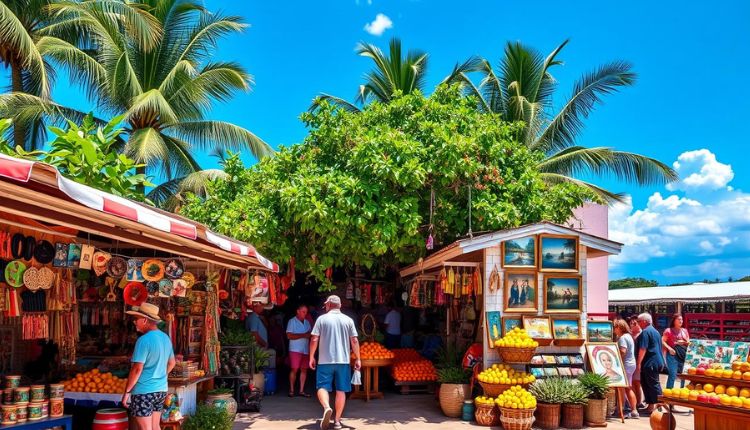
These bazaars reflect the soul of Cuban life, combining tradition, art and everyday commerce into one vibrant atmosphere. From handmade crafts to exotic foods, Bazar Cuba is more than just a place to buy and sell – it’s a space where local communities thrive and Cuban identity comes alive. Understanding the nature of these markets provides insight into how Cubans maintain their heritage while adapting to modern economic realities.
The meaning and essence of Bazaar Kuba
Bazar Cuba is not only a physical place but also a cultural symbol that shows the ingenuity and creativity of the Cuban people. The term “bazaar” in Cuba often refers to open-air markets or small collections of shops selling a variety of goods, including handmade crafts, vintage products, textiles and local foods. These bazaars can be found in Havana, Santiago de Cuba, Trinidad and other cities throughout the island. Each has its own local flavour and charm, making every visit an unforgettable experience.
For local residents, Bazar Kuba plays a vital role in everyday life. It is a hub for artisans, farmers and small business owners who rely on the market economy for income. For tourists, it is a window into Cuban life that offers the possibility of direct contact with the people behind the products. Bazaar culture also highlights the ingenuity of Cubans, who have learnt to make the most of limited resources through creativity and cooperation.
History of markets in Cuba
Bazaar Cuba markets have deep roots that date back to the colonial era. During Spanish rule, local markets were central to trade and agriculture. As the Cuban economy developed, these traditional markets remained a staple of community life. After the Cuban Revolution of 1959, the government took control of much of the economy and private trade was restricted. However, informal markets such as Bazar Cuba continued to quietly exist as spaces where locals could exchange goods, crafts and household items.
In the 1990s, Cuba faced economic difficulties after the fall of the Soviet Union. This period, known as the “Special Period”, saw the re-emergence of private markets. The government allowed small-scale private businesses, and Bazar Kuba became an important way for families to earn a living. Today, these bazaars still mix official and informal economic activities and show the resilience and adaptability of the Cuban people.
What you can find at Bazaar Kuba
Walking through Bazar Cuba is like entering a world full of colours, smells, and sounds. Each stall offers something unique that reflects local craft and culture. Visitors can find beautiful handmade jewellery made from recycled materials, hand-painted ceramics, embroidered textiles, and wood carvings that depict scenes from Cuban life. These markets are also full of delicious local foods such as guava pastries, tropical fruits, roasted coffee, and traditional Cuban cigars.
One of the most popular items in these bazaars is artesanía, or handicrafts. Many artisans pride themselves on using locally sourced materials to create unique pieces. Music lovers will also find records, vintage posters and handmade instruments such as maracas and bongos. Everything sold at these markets has a story, and buying from a local vendor often comes with a personal conversation about the art and its inspiration.
The role of Bazar Cuba in the local economy
Bazar Cuba is more than a tourist attraction – it is a cornerstone of the local economy. Many small business owners depend on these markets as their primary source of income. Artisans, tailors, farmers and grocers are all finding opportunities to sell directly to customers, cutting out the middleman and gaining financial independence.
Tourism also plays a big role. Visitors who purchase handmade goods and local foods contribute directly to the livelihood of Cuban families. In recent years, the government has recognised the economic value of these bazaars and allowed more freedom for the self-employed, known as cuentapropistas. Bazaar Cuba thus became a symbol of Cuba’s gradual move towards a mixed economy that balances state control and individual entrepreneurship.
Cultural and social significance of the Bazaar of Cuba
In addition to the economy, Bazar Cuba has a deep social and cultural significance. It is a meeting place where people share stories, exchange traditions and express their identity. Street musicians play lively Cuban rhythms, artists exhibit their latest paintings, and food vendors offer dishes that bring people together. The atmosphere of the Cuban bazaar is lively and welcoming, full of laughter, conversation and community spirit.
These markets also preserve cultural heritage by supporting traditional crafts that might otherwise disappear. Younger generations learn from older artisans and ensure that techniques such as weaving, ceramics and carving continue to thrive. Cuba, therefore, acts as a living museum of Cuban creativity, preserving the essence of the island’s artistic traditions.
Bazaar Cuba and tourism
Tourism is the main driver of the Cuban economy and Bazar Cuba plays a vital role in the visitor experience. Tourists come not only to buy souvenirs but also to witness authentic Cuban life. These markets allow travelers to interact directly with locals, learn about Cuban customs and taste traditional foods.
Many visitors describe Bazar Kubu as one of the highlights of their trip because of its genuine and personal feel. Unlike big shopping malls, the bazaar experience is about connection. It allows travelers to see how creativity thrives in the midst of economic hardship. The friendly nature of Cuban vendors adds to the charm, making every transaction feel like a meaningful cultural exchange.
Modern challenges and adaptations
Despite its cultural significance, Bazar Cuba faces challenges in modern times. Economic constraints, limited access to materials, and government regulations can make it difficult for vendors to operate freely. The COVID-19 pandemic has also affected tourism, reducing the number of buyers and forcing many artisans to adapt by selling locally or finding online alternatives.
However, in recent years, some sellers have started using digital platforms and social media to promote their crafts to an international audience. This innovation allows them to reach buyers outside of Cuba, expanding their revenue potential. These changes show that Bazaar Cuba continues to evolve while staying true to its cultural roots.
The future of Bazar Cuba
The future of Bazaar Cuba looks promising as Cuba continues to open up its economy and attract global attention. There is a growing interest among younger Cubans to keep the bazaar tradition alive while incorporating modern design and digital marketing.
As Cuba modernises, it faces the challenge of balancing authenticity with growth. Bazar Cuba must preserve its traditional character even as it adapts to new consumer demands. The key lies in maintaining its community-driven nature while embracing sustainable practices and modern tools.
Conclusion
Bazar Cuba represents the heart and soul Bazar Cuba of the Cuban people. It is a space where history, creativity, and commerce meet, offering both locals and tourists an authentic taste of Cuban life. Through resilience and ingenuity, these markets have survived economic hardships and political changes, standing as symbols of national pride and cultural endurance. Whether you are strolling through Havana’s bustling alleys or exploring a small-town marketplace, Cuba offers an unforgettable experience that reflects the true essence of Cuba’s identity.
FAQs
What is Cuba known for?
Cuba is known for its vibrant markets filled with handmade crafts, local foods, and cultural art that showcase the creativity of the Cuban people.
Where can I find Cuba?
You can find Cuba in many cities across the island, including Havana, Santiago de Cuba, and Trinidad, each offering a unique local flavour.
What can I buy at Cuba?
Visitors can buy handmade jewellery, ceramics, textiles, paintings, musical instruments, Cuban cigars, and traditional food items.
Is Cuba popular among tourists?
Yes, Bazar Cuba is very popular among tourists because it offers an authentic cultural experience and direct interaction with local artisans.
Why is Cuba important to the Cuban economy?
Cuba supports local entrepreneurs, artisans, and small business owners, making it a vital part of Cuba’s informal and tourism-driven economy.
