

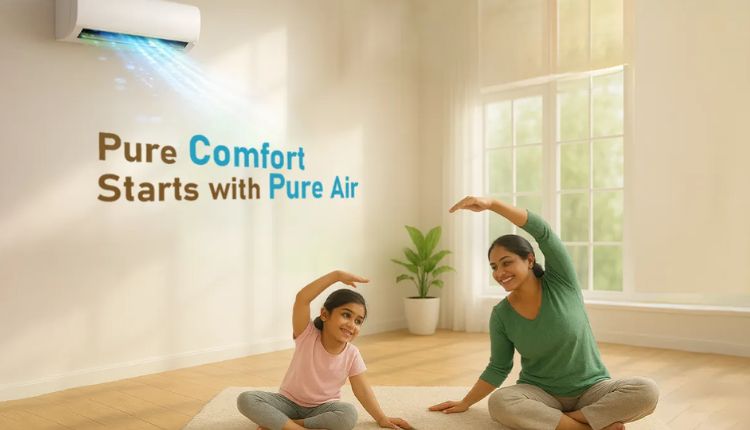
Research consistently shows that people spend up to 90% of their time indoors, yet the air inside homes and offices can contain pollutants far more concentrated than anything found outside. From invisible fine particles to humidity imbalances, poor indoor air quality (IAQ) quietly chips away at health, sleep, and cognitive function. The good news is that a range of practical strategies can genuinely transform living spaces into healthier environments. Devices such as air purifiers and humidifiers play important roles in maintaining balanced indoor conditions alongside other approaches—but understanding the full picture is essential for results that actually last.
Understanding Indoor Air Quality and Its Impact
IAQ refers to the cleanliness and balance of air within enclosed spaces, shaped by pollutants, moisture levels, and ventilation. Common culprits include volatile organic compounds (VOCs) released by furniture and cleaning products, dust mites, pet dander, and mold encouraged by excess humidity. Dry air during winter heating seasons is particularly disruptive—a pattern many families know well when allergy symptoms flare up despite spending more time indoors. Experts recommend keeping relative humidity between 40–60% and monitoring PM2.5 particulate levels as two of the most practical IAQ benchmarks available.
Health effects span a wide range:
– Short-term: Eye irritation, headaches, and fatigue
– Long-term: Aggravated asthma, reduced cognitive function, and greater susceptibility to infection
Key Takeaway: Target PM2.5 levels below 12 µg/m³ and relative humidity between 40–60% for optimal indoor comfort and well-being.
Identifying Common Indoor Air Pollutants
Indoor pollutants fall into three broad categories: particulates (dust, pollen, pet dander), gases (formaldehyde, radon, carbon monoxide), and biological contaminants (mold spores, bacteria). Seasonal shifts amplify these risks—dry winter air keeps dust suspended longer, while humid summers create ideal conditions for mold growth. Environmental health guidelines from organizations such as the EPA and WHO provide evidence-based thresholds that homeowners can use as practical reference points.
A straightforward home audit can help identify where to focus first:
– Check for visible mold near windows, bathrooms, and basements
– Assess ventilation quality in kitchens and laundry rooms
– Note any chemical odors from new furniture, flooring, or paint
– Test radon levels in below-grade spaces using certified detection kits
Practical Strategies to Enhance Ventilation and Filtration
Natural ventilation—opening windows strategically, running exhaust fans in kitchens and bathrooms—remains one of the most cost-effective IAQ improvements available to any household. For mechanical solutions, regular HVAC filter changes and HEPA filtration systems (which capture 99.97% of particles as small as 0.3 microns) significantly cut down on airborne contaminants. People who work from home frequently report better sleep and sharper daytime focus after establishing consistent cross-ventilation routines in their home office.
Core tip: Prioritize cross-ventilation during low-pollen morning hours for maximum air exchange with minimal allergen intake.
Balancing Humidity for Optimal Comfort
Humidity affects both health and home integrity in ways that are easy to overlook. An affordable hygrometer makes continuous monitoring simple, while targeted adjustments—houseplants, dehumidifiers, or moisture-absorbing materials—can keep levels within a healthy range. Evidence consistently supports the 40–60% target as the sweet spot for minimizing both dryness-related irritation and the conditions that allow mold to thrive.
| Humidity Level | Effects on Health | Common Fixes
|
| Below 40% | Dry throat, irritated eyes, static buildup | Add moisture sources |
| 40–60% | Optimal comfort, reduced allergens | Monitor and maintain |
| Above 60% | Mold risk, dust mite proliferation | Reduce moisture sources |
Lifestyle Habits and Long-Term Maintenance
Sustained IAQ improvement ultimately comes down to consistent daily habits. Using HEPA-equipped vacuums, maintaining no-smoking policies indoors, and choosing low-VOC paints and cleaning products all meaningfully reduce baseline pollutant levels over time. Certain houseplants—including snake plants and peace lilies—show measurable VOC absorption in controlled studies, though they work best as a supplement to proper ventilation rather than a substitute for it.
A simple weekly routine makes a real difference:
- Vacuum high-traffic areas with a HEPA-rated vacuum
- Check humidity readings with a hygrometer
- Wipe hard surfaces with microfiber cloths to capture fine particles
Creating a Personalized IAQ Improvement Plan
Every home presents its own set of variables: square footage, occupancy, local climate, and building age all influence which strategies will deliver the greatest benefit. A family managing allergies might prioritize HEPA filtration and strict humidity control, while occupants of newer construction may need to focus on VOC off-gassing from building materials. Combining ventilation improvements, humidity management, and consistent habits compounds the benefits over time. For more serious concerns—particularly radon detection or persistent mold—consulting a certified IAQ professional is strongly advisable. Tracking changes in a simple IAQ journal over 30 days can also help identify patterns and measure progress in a concrete, meaningful way.
A Foundation for Healthier Living
Improving indoor air quality does not require dramatic overhauls or significant expense. Understanding pollutant sources, optimizing ventilation, balancing humidity, and building consistent habits together form a powerful, evidence-based foundation that any household can put into practice. Starting with a single step—a home audit or a basic hygrometer—can yield immediate, measurable improvements. Small, sustained efforts have a way of compounding quietly over time, gradually shaping environments where health, comfort, and well-being can genuinely flourish.
